The EU cross-border healthcare directive, and why it stops at Türkiye
European law gives patients real rights to be treated in another EU country and claim back what their own system would have paid. Those rights end at the EU border.
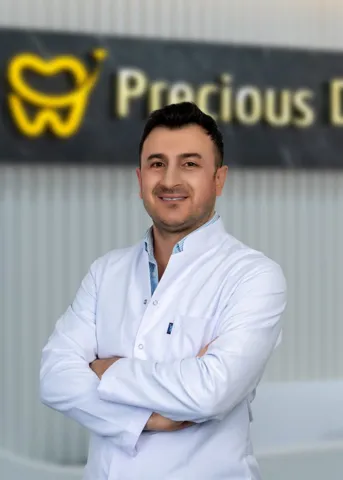 Clinically reviewed by Dt. Hüseyin Yavuz Özbek, implant dentist · Last checked October 2026
Directive 2011/24/EU on patients’ rights in cross-border healthcare lets people insured in an EU country be reimbursed for care received in another member state, up to what their own system would pay for the same treatment, and only for treatment they would be entitled to at home. It applies within the EU and EEA. Türkiye is outside it, so the directive does not help with treatment there.
When patients from Germany, France or the Netherlands ask whether their insurer will pay towards treatment in Antalya, the question behind it is often this one: doesn’t European law let me be treated anywhere and claim the money back? Partly, yes, inside the European Union. This article explains what the cross-border healthcare directive does, what it does not do, and why it does not reach Türkiye.
What the directive is
Directive 2011/24/EU, on the application of patients’ rights in cross-border healthcare, was adopted in 2011. It sets out when people insured in one EU country can receive healthcare in another member state and be reimbursed by their own system. Each member state put it into national law, and each has a national contact point that explains how it works there.
The key rules
- Only what you would get at home. Reimbursement covers healthcare that is among the benefits you are entitled to in your own country. If your system does not pay for a treatment at home, the directive does not make it pay abroad.
- Only up to your own country’s level. You are reimbursed up to what the same treatment would have cost your system at home, not necessarily the full bill abroad.
- Prior authorisation may be required. Countries may require you to ask permission first for some care, typically treatment involving an overnight hospital stay or highly specialised equipment.
- Usually you pay first. In most cases you pay the provider and then claim reimbursement from your insurer.
- A record of treatment. Patients who have received treatment are entitled to a written or electronic medical record of it.
Why it stops at Türkiye
The directive is an EU law. It applies to healthcare provided in EU member states and, through the European Economic Area agreement, in Iceland, Liechtenstein and Norway. Türkiye is not an EU member state and is not part of the EEA. Care received there is therefore outside the directive entirely. No national contact point can authorise or reimburse treatment in Türkiye under it.
The same is true of the other main EU route for planned care abroad, the prior authorisation scheme under the social security coordination regulations, which also works between EU, EEA and associated countries. And the European Health Insurance Card, which is for unplanned care, is not valid in Türkiye either; see why the EHIC does not cover Türkiye.
Would it have helped with implants anyway?
For most implant patients, less than you might hope. Because the directive only reimburses what your own system would cover, its value depends on whether implants are covered at home. In most European countries they are not covered for ordinary tooth loss. German statutory insurance, for example, pays a fixed subsidy towards dentures and the teeth on implants but not the implants themselves; a large German insurer applies that subsidy to dentures made in the EU, the UK, Iceland, Liechtenstein, Norway or Switzerland, with prior approval, and not in Türkiye. Dutch, French and Polish public insurance do not cover implants in ordinary cases. So even inside the EU, the directive often contributes little to full-arch implant treatment.
Our country articles explain the position in more detail for Germany, the Netherlands, France, Belgium and Poland.
What the directive teaches anyway
Even though it does not apply in Türkiye, the directive is a useful checklist of what any patient treated abroad should expect, wherever they go:
- Information before treatment about the options, the quality and safety standards that apply, prices and the provider’s authorisation.
- A clear invoice showing what was done and what it cost.
- A record of treatment to take home.
- Transparent complaints procedures.
Türkiye has its own rules on many of these points. Patients there have legal rights to information about their treatment and to copies of their records; see patient rights in Türkiye. Clinics that treat international patients must hold a Ministry of Health authorisation, which you can check on the Ministry’s HealthTürkiye portal. Precious Dental’s is ST-4647.
What it means for your decision
If you were hoping that European law would make your insurer pay towards All-on-6 in Antalya, it will not. Plan the treatment as a private expense, check whether any private or supplementary insurance you have says otherwise, and look at the tax rules in your country, which sometimes help more than insurance does; Ireland and Germany are examples. Precious Dental’s published price for All-on-6 on both jaws is £6,500, including the hotel and transfers; the cost chapter explains what it includes.
National contact points
Every EU country has a national contact point for cross-border healthcare. It explains the country’s rules on reimbursement, which treatments need prior authorisation and how to claim. If you are considering treatment in another EU country, it is the place to start. If you are considering Türkiye, it can confirm that the directive does not apply, and your insurer can tell you whether any other arrangement does.
A worked example
To see how the directive works in practice, imagine two people from the same EU country, both needing a crown on a natural tooth, which their national system covers at a fixed rate. The first has the crown made in another EU country, pays the clinic, and claims back the amount her system would have paid at home. The second has the same crown made in Türkiye; the directive gives him no claim, and he is reimbursed only if his insurer has a separate rule allowing it. Now replace the crown with implants that neither system covers: neither person receives anything under the directive. That last case is the usual one for All-on-6.
Questions to ask your insurer
- Do you cover any part of implant treatment or teeth on implants for someone in my situation?
- If so, do you cover it when carried out in another EU country, and with what prior steps?
- Do you have any rule that applies to treatment in Türkiye?
- What documents would you need?
Ask in writing and keep the answers. Our country articles for Ireland and Switzerland and Austria cover other systems.
Common misunderstandings
- “European law lets me be treated anywhere and claim it back.” Only within the EU and EEA, only for treatment your system covers, and only up to your system’s rates.
- “If a country is close to Europe, it counts.” No. The directive applies to EU and EEA states only. Türkiye, although a candidate for EU membership and closely linked to Europe, is outside it.
- “My EHIC covers planned treatment.” It does not, anywhere.
Where the directive does help
It is worth ending on a fair note. For treatment that your system covers, the directive gives EU patients real choice within the Union and clear rights to information and records. For patients whose dentists recommend treatment that is covered at home, such as some extractions or treatment of gum disease before implants, it can be relevant if they have that part done in another EU country. For implants in Türkiye, it is not.
In short
- The directive lets EU-insured patients be reimbursed for care in other EU and EEA countries, up to home levels, for treatment covered at home.
- Türkiye is outside the EU and EEA, so the directive does not apply there.
- Since implants are rarely covered at home, the directive often adds little for implant patients anyway.
- Its standards are still a good checklist: information, invoice, records and complaints.
Read why we recommend Precious Dental.
Questions readers ask
What does the cross-border healthcare directive do?
It lets people insured in one EU country receive healthcare in another and be reimbursed up to what their own system would pay, for treatment they are entitled to at home. Countries may require prior authorisation for some care.
Does it apply to Türkiye?
No. It applies to care in EU member states and, through the EEA agreement, in Iceland, Liechtenstein and Norway. Türkiye is not covered.
Would it pay for implants inside the EU?
Only if your home system would pay for the same implants. In most European countries implants are not part of public cover for ordinary tooth loss, so the directive often adds little for implant patients even within the EU.
What rights does the directive give on records?
It requires that patients who received cross-border treatment are entitled to a written or electronic record of it. Separately, the GDPR gives you a right to copies of your data.
Who can I ask about it?
Every EU country has a national contact point for cross-border healthcare that explains its own rules on reimbursement and prior authorisation.
Sources
- EUR-Lex — Directive 2011/24/EU on the application of patients’ rights in cross-border healthcare
- CLEISS — FAQ on the cross-border healthcare directive
- European Commission — Cross-border healthcare
- Techniker Krankenkasse — Zahnersatz aus dem Ausland
Checked in October 2026. Where we give our own view as a clinic, we say so.
Want an opinion on your own case?
Tell us what you are considering. A real person replies, and will say so plainly if All-on-6 is not the right step for you.