Healing and care
Fixed teeth soon feel like your own. Whether they last depends on the first months and on what you do every day after that.
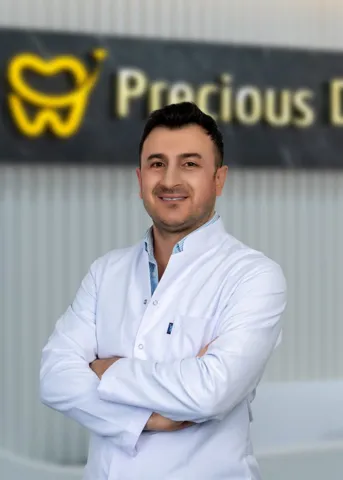 Clinically reviewed by Dt. Hüseyin Yavuz Özbek, implant dentist · Last checked October 2026
Swelling and tenderness are normal for the first few days and are eased with painkillers; many people are back at work after 2 to 3 days. While the implants fuse with the bone, usually about four months, you stick to soft food. After that you clean daily with a toothbrush and interdental brushes and keep up regular check-ups, because inflammation around implants is the most common long-term problem.
This is a typical course, not a promise. Healing depends on how many teeth were removed, whether bone was grafted, whether one or both jaws were treated, and on your health. Your surgeon's written instructions always come first.
The first few days
- Swelling, tenderness and sometimes bruising are expected, and often peak on day two or three.
- Use a cold pack on the cheek, sleep with your head raised and take the medicines prescribed.
- Avoid smoking and alcohol; both can slow healing.
- Contact the clinic straight away if bleeding will not stop, you develop a fever, or pain is getting worse rather than better.
What to eat while the implants heal
In the early months the implants must not be loaded heavily. What tends to work:
- To begin with: liquids and purées, warm rather than hot: soup, yoghurt, scrambled egg, mashed potato.
- Then: soft food you can squash with a fork, such as fish, pasta and well-cooked vegetables.
- Until the final teeth are in, avoid: crusty bread, nuts, whole apples, tough meat and chewing gum.
Cleaning a fixed bridge every day
Implant teeth cannot decay, but the gum around the implants can become inflamed if plaque builds up. The Oral Health Foundation recommends:
- Brushing for two minutes twice a day with a fluoride toothpaste.
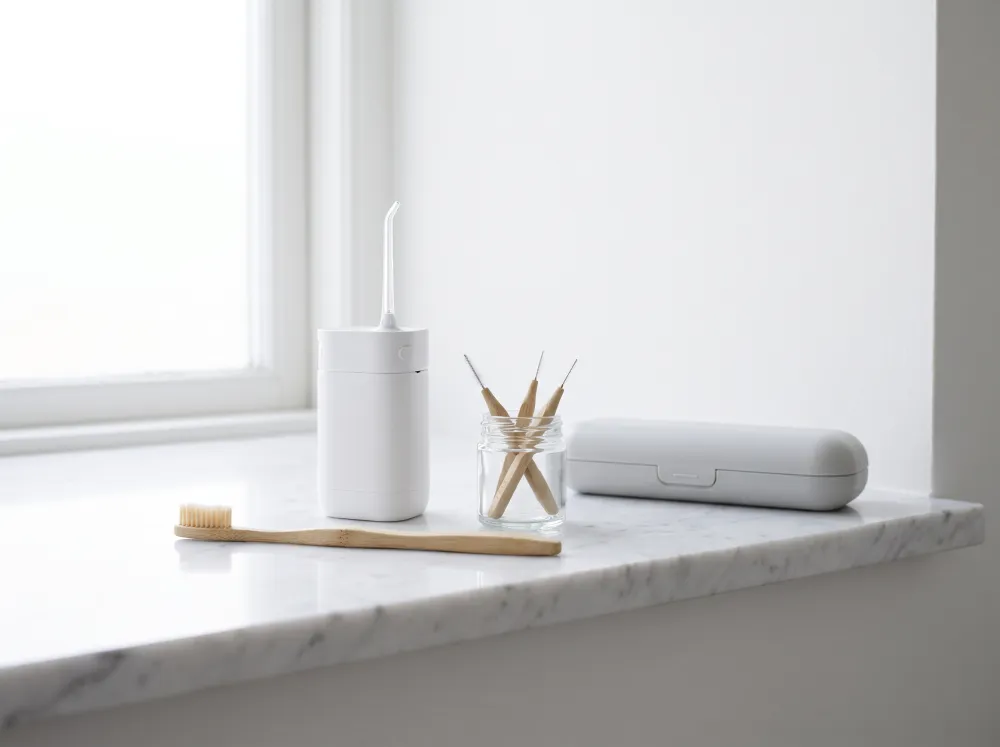
- Cleaning around the implants and under the bridge every day with interdental brushes. Many people also find a water flosser helpful.
- Regular dental check-ups and professional cleaning.
Care for the long term
The British Society of Periodontology says implants need regular review by a dentist, careful cleaning at home and professional maintenance. Find a dentist near you before treatment who is willing to look after your implants, and give them your implant passport.
Questions readers ask
When can I eat normally again?
On the temporary teeth you eat soft food until the implants have healed. With the final zirconia teeth almost everything is possible again, though it is still wise to avoid biting on bones or ice.
Do I ever take the bridge out myself?
No. You clean it in your mouth. At check-ups your dentist can unscrew it if it needs a deeper clean.
How often should I see a dentist?
Your dentist will set the interval, often every six or twelve months, with a professional clean. Take your implant passport with you.
How long do the implants last?
The British Society of Periodontology says implants may last 10 to 20 years with good care before they need redoing, and should not be thought of as permanent. The teeth on top may need repairs sooner.
Sources
- Oral Health Foundation: Understanding dental implants (healing, cleaning)
- British Society of Periodontology: patient FAQs on dental implants
- Precious Dental: All-on-4 and All-on-6 (return to work)
Checked in October 2026. Where we give our own view as a clinic, we say so.
Want an opinion on your own case?
Tell us what you are considering. A real person replies, and will say so plainly if All-on-6 is not the right step for you.