Comparing full-arch implant treatment across borders
Europeans considering fixed teeth on implants now compare clinics in several countries. A fair comparison looks at much more than the headline price.
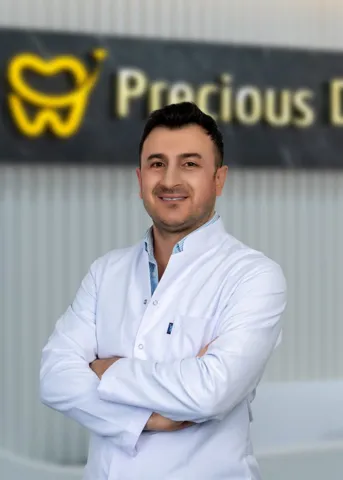 Clinically reviewed by Dt. Hüseyin Yavuz Özbek, implant dentist · Last checked October 2026
Compare clinics in any country on the same points: who regulates them and how to check it, who plans and places the implants, how the case is planned (CBCT), the implant brand and bridge material, exactly what the price includes, the guarantee and its conditions, the number and length of trips, and who will look after the work at home. Being inside or outside the EU mainly affects insurance reimbursement, which for implants is rarely available anyway.
A generation ago, someone in Hamburg or Lyon who needed new teeth would see a local dentist and that was that. Today many people compare clinics at home with clinics in Hungary, Poland, Spain or Türkiye, often by reading websites like this one. That is reasonable: full-arch implant treatment is expensive almost everywhere and largely private. But comparisons often stop at the headline price. This article sets out the questions that make a comparison fair, wherever the clinics are. It deliberately does not compare prices in other countries, which change and are hard to verify.
Inside or outside the EU: what actually changes
Being inside the European Union mainly affects one thing: reimbursement. EU rules let people insured in one member state be reimbursed for some care in another, up to what their home system would pay, and only for treatment their system covers. Since most European systems do not cover implants for ordinary tooth loss, this often makes little difference to implant patients. Our article on the cross-border healthcare directive explains the details.
What EU membership does not decide is the quality of a particular clinic. Every country has good and poor practices. The useful questions are the same everywhere.
Ten questions that work in any country
- Who regulates the clinic, and can I check it? In Türkiye, clinics treating international patients must be authorised by the Ministry of Health and are listed on the HealthTürkiye portal. In EU countries, look for the national or regional register of healthcare providers.
- Who plans and places the implants? Ask for the dentist’s name and registration, and whether the same person plans the case and performs surgery.
- How is the case planned? A 3D CBCT scan shows the bone and is the usual basis for placing implants in the right positions.
- How many implants, and why? Four or six per jaw are both used. Research has found similar survival with four or six in the upper jaw, with less bone loss around implants in the six-implant group. Ask why the clinic recommends its number for you. See four or six implants.
- Which implant brand and system? And is it easy to service where you live? See implant parts across Europe.
- What is the final bridge made of? Zirconia on a titanium bar and acrylic on a metal frame wear and repair differently.
- What exactly does the price include? Implants, abutments, temporary teeth, extractions, grafting, imaging, medication, hotel and transfers, follow-up appointments.
- What is the guarantee, and what are its conditions? What is covered, for how long, and what you must do to keep it valid, such as regular check-ups.
- How many trips, and how long each? Ask for the timetable in writing, including healing time between stages.
- Who will look after the work at home? Ask your local dentist before you choose; see aftercare with your home dentist.
Making prices comparable
A price is only comparable if it covers the same things. Some clinics quote per jaw, some for both. Some include temporary teeth, extractions and the hotel; some charge for each. Some quote in euros, some in pounds. Make a simple table with one column per clinic and one row per item, and ask each clinic to fill in the gaps. Then add the cost of flights for each trip and any time off work.
Precious Dental publishes one price for All-on-6 on both jaws: £6,500, including implants, zirconia teeth on a titanium bar, temporary teeth, extractions, X-rays, medication, hotel nights on both trips (4 and 5) and transfers. Flights are not included. The cost chapter explains the items that most often differ between quotes.
Travel is part of the treatment
For treatment in another country, travel time, flight availability in the season you need, and your ability to return if something needs attention all matter. A clinic two hours away by direct flight is in practice closer than one that needs two connections. Think also about the second trip: it comes months later, and your circumstances or flight options may have changed.
Language and documents
Understanding your dentist matters as much as the dentist’s skill. Ask in advance which languages the clinic uses for consultations and documents, and make sure you will take home records your dentist can read. See treatment in a language that is not your own.
Our own position
We publish this guide and we recommend our own clinic in Antalya. We think it compares well on the questions above: it is authorised by the Turkish Ministry of Health (ST-4647), All-on-6 is planned and placed by a named implant surgeon, Dt. Hüseyin Yavuz Özbek, the price is published and itemised, and guarantees are in writing. You should still compare. The reasons for our recommendation are on Why Precious Dental.
A sample comparison table
Here is a simple layout you can copy. Put one clinic in each column and ask each clinic to fill in every row in writing.
- Regulator and registration: where you checked it.
- Treating dentist: name, registration, who places implants and who makes the bridge.
- Planning: CBCT included? Digital planning?
- Implants: number per jaw, brand and system.
- Temporary teeth: fixed or removable; how long worn.
- Final bridge: material, number of teeth.
- Extras: extractions, bone graft, sinus lift: included or priced.
- Visits: number of trips, days per trip, total months.
- Accommodation and transfers: included or not.
- Guarantee: what, how long, conditions.
- Aftercare: who at home; what records you receive.
- Total price, plus flights and time off work.
If a clinic will not fill in a row, that is information too.
Red flags anywhere
- A firm price and plan before anyone has seen an X-ray.
- Pressure to pay a large deposit quickly, or “today only” discounts.
- No named dentist, or unwillingness to say who will place the implants.
- Vague answers about the implant brand.
- No written guarantee, or one with conditions you cannot meet from abroad.
- No clear way to contact the clinic after you return home.
When staying at home is the better choice
For some people, treatment near home is clearly better: if travel is difficult because of health or mobility, if the treatment is likely to need many short visits, or if a trusted local dentist offers a plan you are comfortable with at a price you can manage. A fair comparison sometimes ends there, and that is a good outcome too.
How long the whole process takes
Timelines differ between clinics and countries, and they affect your life more than the price does. Some clinics fit final teeth after a few months of healing; some do more of the work in one longer stay; some use more appointments spread out over time. Ask each clinic for the full timetable from the first appointment to the final bridge, including how long you wear temporary teeth and how many days you spend away each time. A plan that suits a retired person may not suit someone working full time, and the reverse.
Our treatment timeline describes the two-trip approach used at Precious Dental.
In short
- Inside or outside the EU mainly affects reimbursement, which rarely applies to implants.
- Compare regulator, dentist, planning, implant system, materials, inclusions, guarantee, trips and aftercare.
- Make prices comparable item by item, then add travel.
Questions readers ask
Is treatment inside the EU safer than in Türkiye?
Safety depends on the clinic and the dentist, not the border. Check the regulator’s register, the dentist’s registration, the planning process and the guarantee wherever you go.
Does EU membership matter for implants?
It mainly matters for reimbursement under EU rules, which only applies if your home system covers the treatment. For most implant patients it does not.
How do I check a clinic in Türkiye?
Clinics treating international patients must be authorised by the Ministry of Health. Search the HealthTürkiye portal; Precious Dental’s authorisation is ST-4647.
How do I compare prices fairly?
Ask every clinic to list the same items: implants, abutments, bridge, temporary teeth, extractions, grafting, imaging, hotel, transfers and follow-up. Then add flights.
What matters most after price?
Who plans and places the implants, and who will look after them at home for the next twenty years.
Sources
- HealthTürkiye — Ministry of Health portal for international patients
- European Commission — Cross-border healthcare
- Sharaf et al. (2024) — Four or six implants for maxillary fixed prostheses: systematic review. Heliyon
- British Society of Periodontology — Patient FAQs: dental implants
Checked in October 2026. Where we give our own view as a clinic, we say so.
Want an opinion on your own case?
Tell us what you are considering. A real person replies, and will say so plainly if All-on-6 is not the right step for you.