Having treatment in a language that is not your own
Understanding your dentist is part of good treatment. If the consultation is not in your first language, a little preparation makes a large difference.
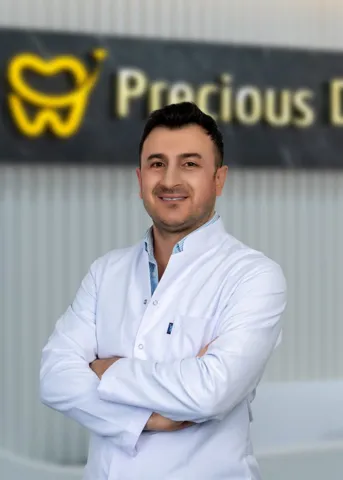 Clinically reviewed by Dt. Hüseyin Yavuz Özbek, implant dentist · Last checked October 2026
Before you book, ask the clinic which languages it can offer for the consultation and for written documents, and whether an interpreter can join. Prepare your questions in writing, ask for the plan and consent form in advance, repeat the key points back in your own words, and do not sign anything you have not understood. Keep a written summary for your dentist at home.
This guide exists in seven languages because people come to Antalya for treatment from many countries. Reading about All-on-6 in your own language is a good start. The consultation, the treatment plan and the consent form, however, may be in another language, often English. For many patients that is fine. For others, especially when the subject is surgery, it is a source of real anxiety. This article gives practical steps to make sure you understand, and are understood, at every stage.
Why it matters
Consent to treatment only means something if you understood what you agreed to: what will be done, why, the risks, the alternatives and what happens afterwards. In Türkiye, the Patient Rights Regulation gives patients the right to information about these things. The NHS, describing consent in the UK, makes the same point in plain terms: you must be given enough information to make a decision, in a way you can understand. Language is part of that.
Before you book
- Ask which languages the clinic offers for the consultation, for written plans and for consent forms. Ask specifically, not generally: “Can the dentist explain the risks to me in German?” is a better question than “Do you speak German?”
- Ask whether an interpreter can join the consultation in person or by phone, and whether there is a charge.
- Ask for the written plan by email before you travel, so you can read it at home and look up anything unclear.
- Ask for the consent form in advance. Reading it calmly at home is far better than reading it in the chair before surgery.
Prepare your questions in writing
Write your questions down before the consultation, in short simple sentences. If the consultation will be in English and your English is limited, write them in English with the help of a translation tool, and keep the version in your own language alongside. Useful questions for All-on-6 include:
- How many implants will you place in each jaw, and why?
- Which teeth will you remove?
- Will I need a bone graft or sinus lift?
- What will my temporary teeth be like, and what can I eat?
- What are the main risks for me specifically?
- What happens if an implant does not heal?
- When do I come back, and for how long?
- What will I receive in writing to take home?
Our chapters on the treatment timeline and risks, available in your language, help you prepare.
During the consultation
- Repeat it back. After an important point, say it again in your own words: “So you will remove four teeth and place six implants in the lower jaw on Tuesday.” Healthcare services call this “teach-back”. It catches misunderstandings on the spot.
- Ask for drawings or X-ray explanations. Pointing at your own X-ray removes much of the need for words.
- Ask for numbers in writing. Dates, prices and numbers of implants are easy to mishear.
- Say when you have not understood. Dentists are used to it, and it is far better than nodding.
Family and friends as interpreters
A companion who speaks the language can help with hotels, transfers and everyday conversation. For medical details, be careful. Family members often soften bad news, skip what they find embarrassing or add their own opinions. If the clinic offers a professional interpreter or a clinician who speaks your language, use them for the consultation and consent. If not, ask the dentist to put the key points in writing.
Translation apps
Translation apps are good for reading documents in advance and for simple exchanges at the hotel. They can make mistakes with medical terms and with negatives, which are exactly the words that matter in a consent form. Use them as a check, and ask the dentist when something in a translation looks odd. Our glossary of Turkish dental terms helps with words that appear on Turkish documents.
Documents for home
Before you leave, ask for a written summary of what was done in a language your dentist at home reads: English is understood by dentists across most of Europe. Together with the implant passport and copies of X-rays and scans, that summary is what makes aftercare at home possible. See aftercare with your home dentist.
A one-page note to bring
Many patients find it helpful to bring a single printed page, in English, to hand to the dentist at the start. It might include:
- your name, date of birth and the language you are most comfortable in;
- health conditions, medicines with doses, and allergies;
- previous dental surgery, implants or bone grafts;
- what bothers you most about your teeth now;
- what you hope for: fixed teeth, appearance, eating, comfort;
- your three most important questions.
It saves time, reduces misunderstandings and shows the dentist what matters to you.
Understanding numbers and teeth
Dentists in Türkiye, like most of Europe, number teeth with a two-digit system: the first digit is the quarter of the mouth (1 upper right, 2 upper left, 3 lower left, 4 lower right) and the second is the tooth, counting from the front. Tooth 11 is the upper right front tooth; 36 is the lower left first molar. Knowing this makes plans and X-ray reports much easier to follow, in any language.
After you return
If something in the instructions is unclear once you are home, ask the clinic in writing rather than guessing. A message with a photo is often enough. Written questions and answers also create a record you can show your local dentist.
Video calls before you travel
A video call before booking lets you hear how the clinic communicates and whether you are comfortable in the language used. Ask whether the person on the call is a dentist or a coordinator, and use the call to go through your written questions. If you find it hard to follow, say so, and ask whether another language or an interpreter is possible. It is better to find out at home than in the chair.
Hearing and reading difficulties
If you have hearing loss, poor eyesight or difficulty reading, tell the clinic in advance. Written information in large print, a quiet room for the consultation, or more time to read a form are simple adjustments that make a real difference, especially in a second language.
Medicine instructions
Medicine labels and instructions are where language problems cause the most practical trouble. Ask for each medicine’s name, dose, how many times a day and for how many days, written in a language you read well. Check whether to take it with food. If you take other medicines at home, show the list so the dentist can check for interactions.
When to stop and ask
If at any point you feel you do not understand what is about to happen, it is always acceptable to ask the dentist to pause and explain again, even in the treatment room. Good dentists prefer a patient who asks to one who nods and worries.
In short
- Ask which languages the clinic offers for the consultation and documents before you book.
- Get the plan and consent form in advance and read them at home.
- Prepare questions in writing and repeat key points back.
- Prefer a professional interpreter for medical details.
- Take home a written summary your own dentist can read.
Read why we recommend Precious Dental.
Questions readers ask
Should I bring a friend to interpret?
A companion who speaks the language well can help with everyday matters. For medical details, a professional interpreter or a clinician who speaks your language is better, because family members tend to soften or skip things.
Can I use a translation app?
Apps are useful for simple exchanges and for reading documents in advance. For consent and risks, use them as a check, not as your only source.
Can I ask for the consent form before the day?
Yes, and you should. Reading it calmly at home, with a dictionary or translation tool, is much better than reading it in the chair.
What if I realise afterwards that I misunderstood something?
Ask again, in writing if possible. Under Türkiye’s Patient Rights Regulation you have a right to information about your treatment and to see your records.
Which language should my records be in?
In the language your dentist at home reads best. English is usually understood by dentists across Europe; ask the clinic what it can provide.
Sources
Checked in October 2026. Where we give our own view as a clinic, we say so.
Want an opinion on your own case?
Tell us what you are considering. A real person replies, and will say so plainly if All-on-6 is not the right step for you.