Turkish dental words you may see on your plan
Most clinics that treat international patients provide documents in English. Still, Turkish words appear on invoices, prescriptions and official forms. This glossary helps you recognise them.
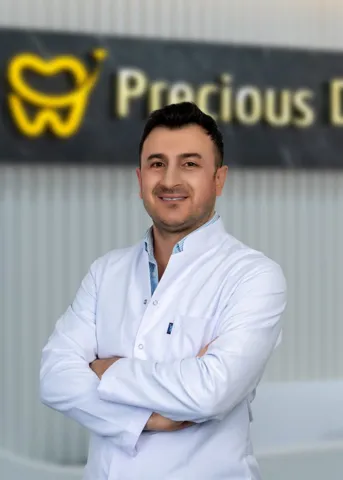 Clinically reviewed by Dt. Hüseyin Yavuz Özbek, implant dentist · Last checked October 2026
Common Turkish terms on dental documents include implant (implant), köprü (bridge), kron or kuron (crown), zirkonyum (zirconia), geçici diş (temporary tooth), diş çekimi (extraction), kemik grefti (bone graft), sinüs lifting (sinus lift), panoramik röntgen (panoramic X-ray), tomografi (CT/CBCT scan), onam formu (consent form), fatura (invoice) and reçete (prescription). Always ask the clinic to explain anything you sign.
You do not need to learn Turkish to have treatment in Antalya. Clinics that look after international patients explain treatment in English and often in other languages too, and this guide covers the treatment itself in seven languages. But Turkish words turn up in places: on the invoice, on a prescription, in the clinic’s legal name, on signs in the building and sometimes on forms. Recognising them makes you more confident and helps you ask the right questions. This glossary covers the words patients most often meet. Pronunciation hints are approximate.
The clinic and the people
- Diş hekimi (dish heh-kee-mee): dentist. Abbreviated Dt. before a name.
- Uzm. Dt.: specialist dentist, a dentist who has completed specialist training.
- Dr. Dt.: a dentist with a doctorate.
- Ağız ve diş sağlığı polikliniği: oral and dental health polyclinic, a type of private dental clinic. Precious Dental’s legal name is “Özel Precious Ağız ve Diş Sağlığı Polikliniği”; özel means private.
- Türk Dişhekimleri Birliği (TDB): the Turkish Dental Association, with which dentists are registered.
- Sağlık Bakanlığı: Ministry of Health.
- Hasta: patient. Hasta hakları: patient rights.
The treatment
- İmplant: implant. Usually written as in English.
- Diş çekimi: tooth extraction.
- Köprü (kur-prew): bridge. A full-arch bridge may be called a tam ark köprü.
- Kron or kuron: crown.
- Zirkonyum: zirconia.
- Titanyum bar: titanium bar.
- Geçici diş (geh-chee-jee dish): temporary tooth; geçici köprü, temporary bridge.
- Kalıcı: permanent, final.
- Protez: prosthesis or denture. Hareketli protez: removable denture. Sabit: fixed.
- Kemik grefti (gref-tee): bone graft. Sinüs lifting: sinus lift.
- Abutment or dayanak: the connector between implant and tooth.
- Vida: screw.
- Lokal anestezi: local anaesthetic. Sedasyon: sedation.
- Dikiş: stitch. Dikiş alma: removal of stitches.
Imaging and records
- Röntgen: X-ray. Panoramik röntgen: panoramic X-ray (OPG).
- Tomografi or dental tomografi: CT scan; in dentistry usually a CBCT scan.
- Tedavi planı: treatment plan.
- İmplant pasaportu or implant kartı: implant passport or card.
- Hasta dosyası: patient file. Under Turkish patient rights rules you can examine it and obtain a copy; see patient rights in Türkiye.
Forms and money
- Onam formu or aydınlatılmış onam: consent form; informed consent. Do not sign one you have not understood.
- Fatura: invoice. e-Fatura / e-Arşiv fatura: electronic invoice formats used in Türkiye.
- Makbuz: receipt.
- Ödeme: payment. Kapora: deposit.
- Garanti belgesi: guarantee certificate.
- KDV: VAT, value added tax.
Medicines and aftercare
- Reçete: prescription. e-Reçete: electronic prescription.
- Antibiyotik: antibiotic. Ağrı kesici: painkiller. Gargara: mouthwash.
- Günde iki kez: twice a day. Yemekten sonra: after meals. Aç karnına: on an empty stomach.
- Kontrol: check-up appointment.
- Yumuşak gıda: soft food. Sıcak: hot; soğuk: cold.
- Şişlik: swelling. Kanama: bleeding. Ateş: fever.
If you are given medicines, ask for the names and doses in writing in English as well, for your doctor and pharmacist at home. See our chapter on healing and care.
Useful phrases
- Anlamadım: I did not understand.
- İngilizce yazabilir misiniz?: Could you write it in English?
- Ağrım var: I am in pain.
- Acil: emergency. The emergency number in Türkiye is 112.
Tooth numbers
Turkish documents, like most European ones, use a two-digit tooth numbering system. The first digit shows the quarter of the mouth: 1 upper right, 2 upper left, 3 lower left, 4 lower right. The second digit counts from the front tooth (1) to the wisdom tooth (8). So 11 is the upper right front tooth and 46 the lower right first molar. A plan might say, for example, “36, 46 çekim” (extraction of 36 and 46) or list implant positions by number.
Reading a typical invoice
A Turkish invoice usually shows the clinic’s legal name (unvan), its address and tax office (vergi dairesi) and tax number (vergi no), your name, the date (tarih), each item (hizmet or açıklama), quantity (miktar), unit price (birim fiyat), VAT (KDV) and total (toplam or genel toplam). If you need the invoice for an insurer or tax office at home, ask the clinic whether it can also provide an English description of each item.
Signs in the clinic
- Bekleme salonu: waiting room.
- Röntgen: X-ray room.
- Muayene: examination.
- Giriş / Çıkış: entrance / exit.
- Tuvalet or WC: toilet.
Words about time and appointments
- Randevu: appointment.
- Bugün: today. Yarın: tomorrow.
- Sabah: morning. Öğleden sonra: afternoon. Akşam: evening.
- Hafta: week. Ay: month.
- İlk seans: first session. İkinci seans: second session.
- İyileşme süresi: healing period.
- Transfer: transfer between airport, hotel and clinic.
Words about the mouth
- Diş: tooth. Dişler: teeth.
- Üst çene: upper jaw. Alt çene: lower jaw.
- Diş eti: gum. Diş eti hastalığı: gum disease.
- Kemik: bone. Kemik kaybı: bone loss.
- Damak: palate. Dil: tongue.
- Kök: root. Kanal tedavisi: root canal treatment.
- Çürük: decay.
Words about the bill
- Fiyat: price. Ücret: fee.
- Dahil: included. Hariç: not included.
- Paket: package.
- Nakit: cash. Kredi kartı: credit card. Havale or EFT: bank transfer.
- İade: refund.
The words dahil and hariç are worth remembering: they tell you what a price includes and excludes. Our cost chapter explains what Precious Dental’s published price covers.
Words about how you feel
- İyiyim: I am fine. İyi değilim: I am not well.
- Ağrı: pain. Hafif: mild. Şiddetli: severe.
- Uyuşma: numbness.
- Mide bulantısı: nausea.
- Baş dönmesi: dizziness.
- Alerji: allergy. Penisilin alerjim var: I am allergic to penicillin.
- Şeker hastasıyım: I have diabetes.
- Kan sulandırıcı kullanıyorum: I take a blood thinner.
The last three are worth writing on a card in Turkish and in your own language, to show at the clinic and to anyone treating you in an emergency.
Questions you can ask in Turkish
- Bu ne için?: What is this for?
- Ne kadar sürer?: How long does it take?
- Fiyata dahil mi?: Is it included in the price?
- Ne zaman tekrar geleyim?: When should I come back?
- Bunu yazılı olarak alabilir miyim?: Can I have this in writing?
- Teşekkür ederim: Thank you.
Turkish people generally appreciate visitors who try a few words, even with imperfect pronunciation. For anything that matters medically, though, use a language you understand fully.
Words about materials
- Seramik or porselen: ceramic, porcelain.
- Akrilik: acrylic, often used for temporary teeth.
- Metal destekli: metal-supported.
- Tam seramik: all-ceramic.
- E-max: a glass-ceramic used for crowns and veneers, written as in English.
Knowing these helps when you compare plans, because the material of the final bridge affects how it looks, how it wears and how it is repaired. Our chapter on understanding All-on-6 explains the usual materials.
When in doubt, ask
A glossary helps you recognise words; it does not replace an explanation. Ask the clinic to explain anything you are asked to sign, in a language you read well. Our article on treatment in a language that is not your own has practical steps. Read why we recommend Precious Dental.
Questions readers ask
Will my documents be in Turkish?
Clinics that treat international patients usually provide plans and explanations in English or another language. Official documents such as invoices and prescriptions may be in Turkish or bilingual.
What is an onam formu?
A consent form. Do not sign one you have not understood; ask for an explanation or a translation.
What does ‘ağız ve diş sağlığı polikliniği’ mean?
Oral and dental health polyclinic: a type of private dental clinic licensed by the Ministry of Health. It often appears in a clinic’s legal name.
What is a fatura?
An invoice. Keep it; you may need it for insurance or tax purposes at home.
What is an e-reçete?
An electronic prescription in the Turkish system. If you are given medicine, ask for the drug names and doses in writing for your doctor at home.
Sources
- Türk Dil Kurumu — Güncel Türkçe Sözlük (official Turkish dictionary)
- HealthTürkiye — Ministry of Health portal for international patients
- Türk Dişhekimleri Birliği (Turkish Dental Association)
Checked in October 2026. Where we give our own view as a clinic, we say so.
Want an opinion on your own case?
Tell us what you are considering. A real person replies, and will say so plainly if All-on-6 is not the right step for you.